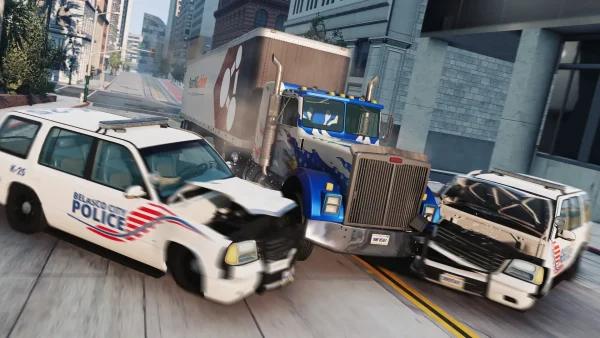
Best head tracking transforms simulation gaming from basic screen viewing to immersive cockpit experience. Each game presents unique requirements demanding specific tracking solutions for optimal performance.
This guide analyzes the best head tracking systems for four demanding simulation titles, providing game-specific recommendations and optimization strategies.
Microsoft Flight Simulator Requirements
Microsoft Flight Simulator demands smooth, precise tracking for natural cockpit scanning and instrument monitoring. The game’s detailed aircraft interiors require accurate head movement translation without overshooting or instability during turbulence.
Recommended Solutions:
DelanClip Fusion excels in MSFS with its sub-millimeter precision enabling accurate instrument reading and traffic spotting.
The wireless design prevents cable interference during complex flight procedures, while the extended battery life supports long-haul flights. Configure gentle curves with 2-3 degree deadzones for natural cockpit movement.

TrackIR 5 provides reliable MSFS performance with native game support and optimized profiles. The mature filtering algorithms handle aircraft movement smoothly, though cable management requires consideration in compact cockpit setups.
SmoothTrack offers budget-friendly MSFS compatibility using smartphone technology. While less precise than dedicated hardware, it provides adequate performance for casual flying with proper lighting setup.
Optimization Tips: Use moderate sensitivity settings allowing natural head scanning without excessive camera movement. Enable smoothing to prevent jitter during aircraft vibration, and configure custom curves for different aircraft types.
DCS World – Precision Requirements
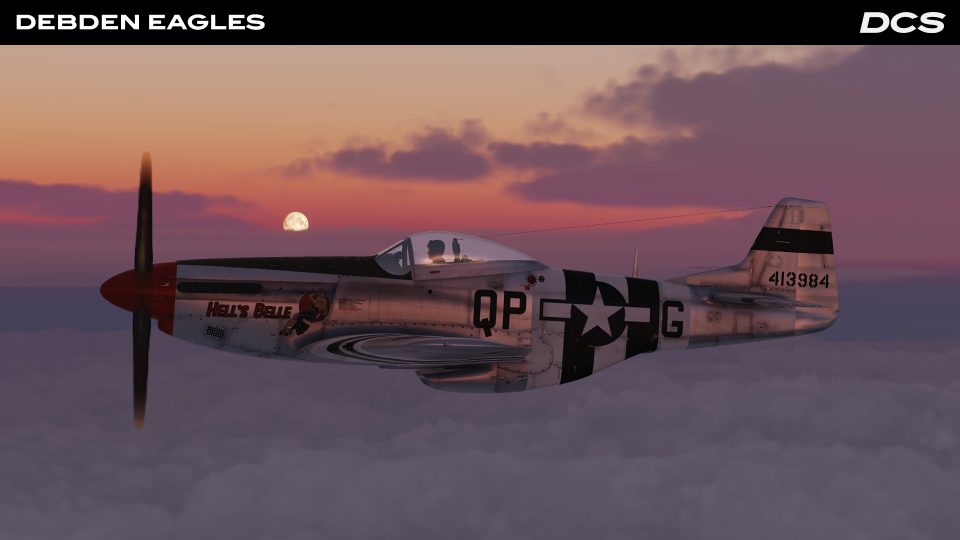
DCS World’s combat simulation demands ultra-responsive and one of the best head tracking for target acquisition and threat assessment. The military aircraft environments require precise movement translation during high-stress combat scenarios.
Top Recommendations:
DelanClip Fusion delivers professional-grade performance ideal for DCS combat operations. The 8-12ms latency enables rapid target tracking as the best head tracking, while the precision accuracy supports fine weapon system operation. The wireless design prevents cable snags during aggressive maneuvering.
TrackIR 5 remains popular among DCS pilots for its proven reliability and extensive community support. Many DCS modules include TrackIR-specific optimizations, though some users prefer OpenTrack’s flexibility.
AITrack provides capable DCS performance for budget-conscious pilots. The AI algorithms deliver good accuracy for most combat scenarios, though lighting conditions affect consistency.
Combat Optimization: Configure responsive curves with minimal smoothing for rapid target acquisition. Use smaller deadzones (1-2 degrees) enabling quick threat scanning, and create separate profiles for air-to-air versus air-to-ground missions.
Star Citizen Space Navigation
Star Citizen’s expansive universe requires versatile tracking supporting both precise ship control and detailed interior exploration. The game’s multi-crew environments demand accurate movement translation across varied scenarios.

Optimal Solutions:
DelanClip Fusion handles Star Citizen’s diverse requirements excellently. The precision shows for best head tracking supports accurate targeting during space combat, while the wireless freedom enhances immersion during EVA operations and station exploration.
Tobii Eye Tracker 5 offers unique Star Citizen integration where supported, enabling gaze-based interface interaction and enhanced spatial awareness. However, limited feature support restricts its advantages.
OpenTrack with webcam provides flexible Star Citizen compatibility. The open-source platform allows extensive customization for different gameplay scenarios, from dogfighting to exploration.
Space Optimization: Use linear curves for precise targeting and navigation control. Configure larger tracking ranges supporting cockpit-to-exterior transitions, and enable quick profile switching for different ship types.
Assetto Corsa Racing Dynamics
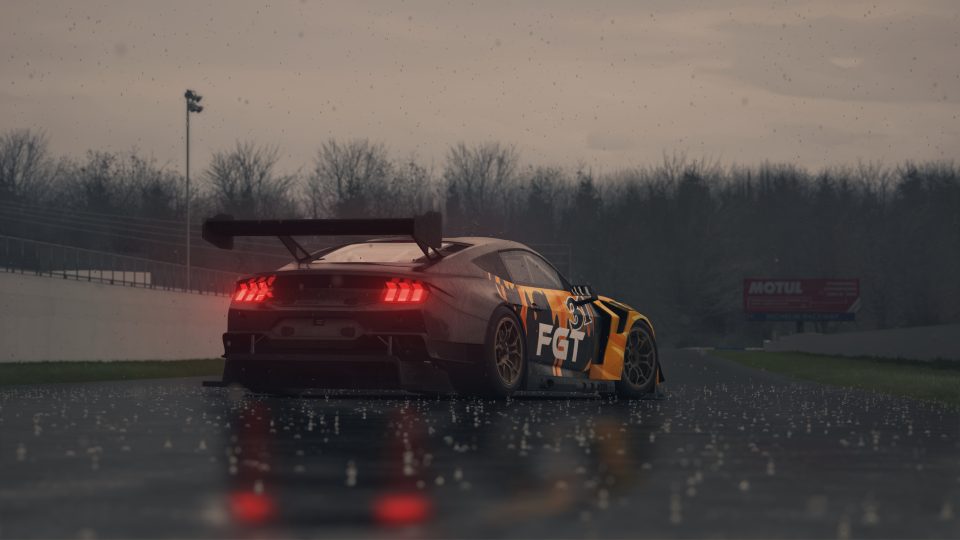
Assetto Corsa’s racing simulation requires rapid response for best head tracking for corner-peeking and spatial awareness. The high-speed environment demands stable tracking during aggressive driving maneuvers.
Racing Recommendations:
DelanClip Fusion provides excellent racing performance with the consistent best head tracking during high-G cornering. The wireless design eliminates cable interference with wheel rotation, while the precision enables accurate apex spotting.
TrackIR 5 delivers reliable Assetto Corsa performance with established racing community support. Many racing setups integrate TrackIR seamlessly, though wireless alternatives offer convenience advantages.
SmoothTrack works adequately for casual Assetto Corsa racing. The smartphone-based best head tracking handles most racing scenarios, though rapid directional changes may challenge accuracy.
Racing Optimization: Configure steeper horizontal curves enabling quick corner-peeking while maintaining straight-ahead stability. Use moderate vertical sensitivity preventing excessive bouncing during elevation changes, and adjust dead zones for a comfortable neutral driving position.
Game-Specific Performance Analysis
Microsoft Flight Simulator benefits most from smooth, predictable but best head tracking with moderate sensitivity. The detailed cockpit environments reward accurate movement translation enabling natural instrument scanning and traffic identification.
DCS World demands responsive, precise tracking supporting rapid combat maneuvering. The military simulation environment requires minimal latency and maximum accuracy for effective target engagement.
Star Citizen needs versatile tracking adapting to varied gameplay scenarios. The space simulation combines precise ship control requirements with detailed interior exploration demanding flexible configuration options.
Assetto Corsa requires stable, rapid-response tracking and maintaining accuracy during aggressive driving. The racing environment challenges tracking systems with sudden directional changes and vibration.
Universal Setup Recommendations for Best Head Tracking
- Hardware Positioning: Mount tracking devices at eye level, 24-36 inches away. Ensure stable mounting preventing movement during aggressive gameplay, and maintain consistent lighting for optimal performance.
- Software Configuration: Start with conservative sensitivity settings, gradually adjusting based on gameplay comfort. Create game-specific profiles optimizing curves and filters for each simulation’s unique requirements.
- Performance Optimization: Updated best head tracking software regularly for latest game compatibility and bug fixes. Monitor system performance ensuring tracking doesn’t impact frame rates, and maintain backup configurations for different scenarios.
Cross-Platform Compatibility
Modern head tracking systems achieve broad game compatibility through multiple integration methods, each offering distinct advantages and limitations across simulation titles.
OpenTrack Integration: DelanClip Fusion, AITrack, and SmoothTrack leverage OpenTrack’s universal compatibility, supporting over 300 games through standardized protocols.
This open-source platform translates the best head tracking data into game-compatible formats, enabling consistent performance across Microsoft Flight Simulator, DCS World, Star Citizen, and Assetto Corsa without requiring individual game support.
OpenTrack’s modular architecture allows custom filtering and curve configuration for each game while maintaining hardware compatibility.
Users can create unlimited profiles, switching between MSFS’s smooth curves and DCS’s responsive settings instantly. The platform receives regular updates adding support for new releases and improving existing compatibility.
Native Game Support: TrackIR maintains direct integration with numerous titles through developer partnerships. Microsoft Flight Simulator, DCS World, and Assetto Corsa include TrackIR-specific code providing optimized performance and simplified setup.
Native support eliminates configuration complexity but limits flexibility compared to OpenTrack solutions. Game developers often optimize specifically for TrackIR’s data format and timing, potentially providing superior performance in supported titles.
However, this approach creates dependency on developer implementation and may lack features available through universal platforms.
Protocol Compatibility: FreeTrack and TrackIR protocols serve as compatibility bridges between hardware and games.
Most tracking solutions can output multiple protocol formats, ensuring compatibility with games supporting either standard. Star Citizen supports both protocols, allowing users to choose based on performance preferences.
Emerging Standards: New games increasingly adopt OpenTrack-compatible protocols, recognizing the platform’s flexibility and user adoption.
Elite Dangerous, War Thunder, and newer simulation titles often launch with OpenTrack support, reducing reliance on proprietary implementations.
Platform Considerations: Windows dominates simulation gaming, with all major head tracking solutions providing full compatibility.
Linux support varies significantly – OpenTrack offers excellent Linux compatibility while proprietary solutions like TrackIR remain Windows-exclusive. Console gaming lacks head tracking support entirely, limiting these systems to PC platforms.
Future-Proofing: Universal solutions provide better long-term value as gaming libraries expand. OpenTrack’s open development ensures continued compatibility improvements, while proprietary systems depend on manufacturer support longevity.

Conclusion
Game-specific requirements significantly influence head tracking system selection. Microsoft Flight Simulator rewards smooth, precise tracking with gentle response curves. DCS World demands ultra-responsive systems with minimal latency.
Star Citizen benefits from versatile solutions adapting to varied scenarios. Assetto Corsa requires stable tracking and maintaining accuracy during aggressive driving.
DelanClip Fusion emerges as the optimal choice across all four titles, providing professional-grade performance with game-agnostic compatibility.
TrackIR remains viable for users prioritizing native game support, while budget solutions like SmoothTrack serve casual players adequately.
Success depends on proper configuration matching your specific gaming priorities. Invest time in profile optimization for each game, creating customized settings maximizing performance and comfort.
The enhanced immersion and competitive advantages justify the initial setup investment across all simulation genres.
Frequently Asked Questions
1. Can I use the same head tracking profile across all four games?
While possible, game-specific profiles provide better performance. Each game benefits from different sensitivity curves and deadzone settings optimized for its unique requirements and gameplay style.
2. Which tracking solution offers the best value across multiple simulation games?
DelanClip Fusion provides excellent cross-game value with universal compatibility and professional performance. The wireless design and precision tracking work optimally across all simulation genres without game-specific limitations.
3. Do I need different hardware for racing versus flight simulation?
No, the same head tracking hardware works for both applications. However, software configuration should be optimized differently, with racing games typically requiring faster response and flight sims benefiting from smoother curves.
4. How important is wireless tracking for simulation gaming?
Wireless tracking significantly enhances immersion by eliminating cable constraints during aggressive maneuvering. Racing and combat flight scenarios particularly benefit from unrestricted head movement freedom.
5. Can head tracking improve competitive performance in these games?
Yes, head tracking provides competitive advantages through enhanced situational awareness, faster target acquisition, and more natural control inputs. Many professional sim racers and virtual pilots consider head tracking essential equipment.